

The Answers to All Your Design Dilemmas
Austin Woman: What do I do with the dead wall space above my couch?
Monique Penner: Many times, the best area for a couch is a long wall or large wall space, but then you’re left deciding what to do with the wall. Ideally, you want to create some type of texture and mixture of elements that fit the scale of the wall and the couch below it.
My top five go-to items are:
- Wallpaper
- Mirrors
- Art
- Paint
- Collage or shelving
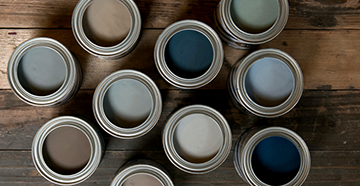
AW: Where do I start when it comes to choosing paint colors?
MP: The color you use in your home sets a mood and tells an overall color story for your home. When picking the right color, think about a few basic questions:
- What is my natural lighting like in my home?
- Do I need to stay light or can I use medium to darker shades in any of the rooms?
- What color do I want my baseboards, doors and window casings to be?
- What finish should I use?
Flat paint is suited for ceilings and some walls; eggshell/satin works well with high-traffic areas, bathrooms and kitchens; semi-gloss is great for doors, window casings, trim, cabinetry and furniture; and high-gloss paint is typically used for cabinetry and furniture.
Some of my current paint favorites are from Jeff Lewis Color:
- Lake
- Carbon
- Perfect Storm
- Agave
- Dune
AW: Are there any rules when it comes to using area rugs?
MP: Area rugs are great to help soften a room and add color and texture. However, the classic use of putting a rug under the dining room or kitchen table is out. Not only are these two areas a bad idea due to the amount of dirt and grime the rugs collect from being under a table, but you also don’t see much of the rug after you put your table and chairs on top of it.
Spend the money elsewhere and show off your floors under those tables instead.
AW: What can we do with our formal living room that we’re not using?
MP: This is something that is becoming a more common issue since many older homes still have the formal living and dining areas and most families today do not care to have a space that is traditionally left to “sit and look pretty.”
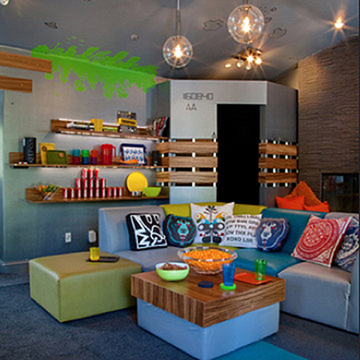
A transformation to try would be a grown-ups’ lounge or sitting area, a play space for kids, a music or art studio and a flex space used for multiple activities based on your everyday furnishings and how easily they can convert into other uses when needed.
AW: How do I create a collage wall?
MP: To create your collage wall, first start out by collecting different objects such as art, mirrors, empty frames, clocks, records and many other wall accessories that you love or have meaning for you. Then lay out your placement on the floor to see where you want everything to be on the wall and be sure you vary the sizes, placement and variety of items so that the wall feels eclectic and meaningful to you. Have fun with your spaces but keep them functional for what works for your lifestyle and your family.
For more design-dilemma questions, please email Monique Penner, or visit poshinteriorsaustin.com.
 Interior Design for 2015
 Budget-Friendly Interior Design




Share